VFC Studio
Games that adapt to people, not the other way around
We create playful experiences for different ages and abilities, designed around the way people naturally move, explore and connect.
Safe by design. No chat, no ads, nothing leaves the phone, bought once.
FollowBirdy
A game your parents and your children both want to play
A bird flies through the room you are already sitting in, and the player follows it by turning and reaching. There is nothing to read and no controls to learn.
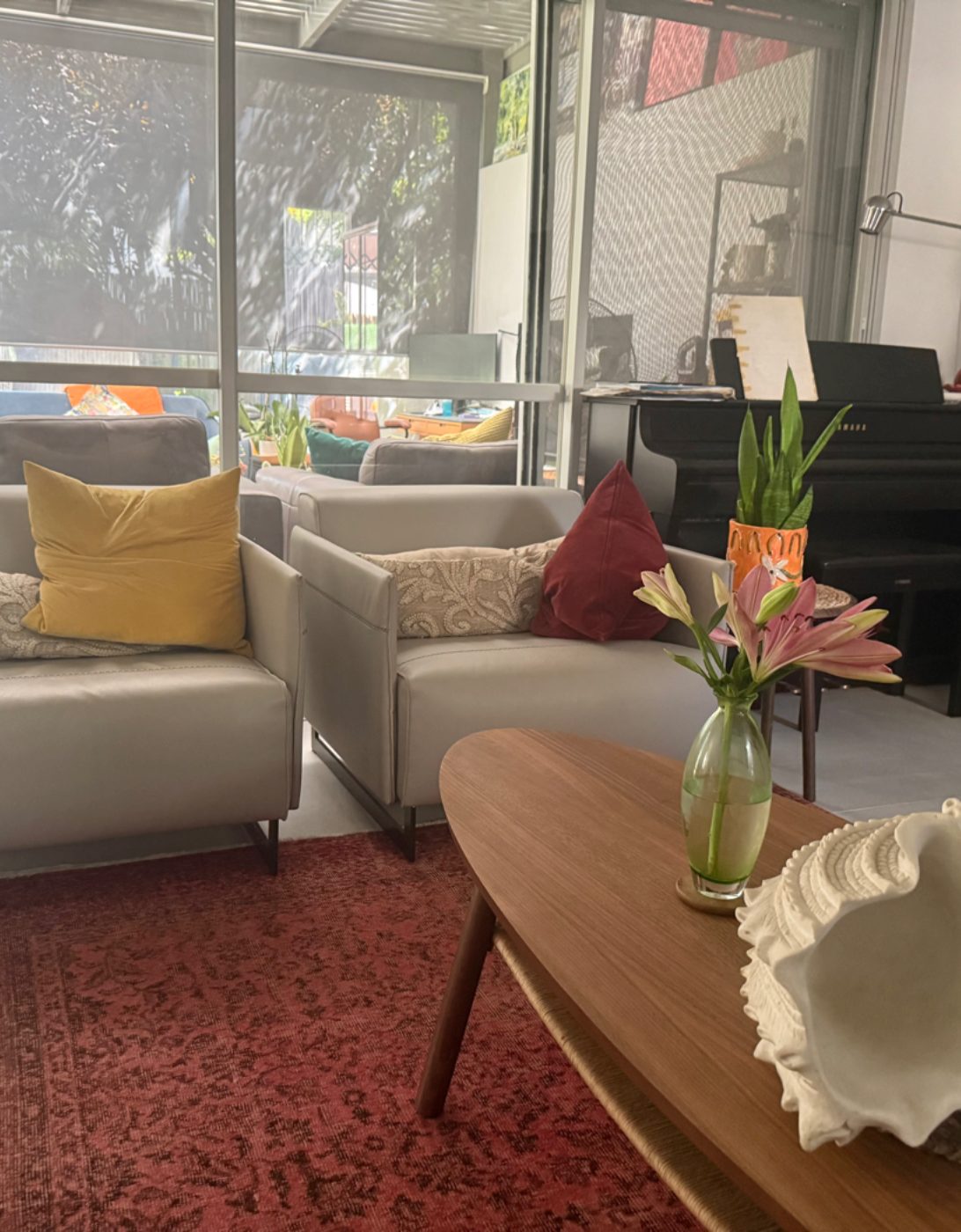
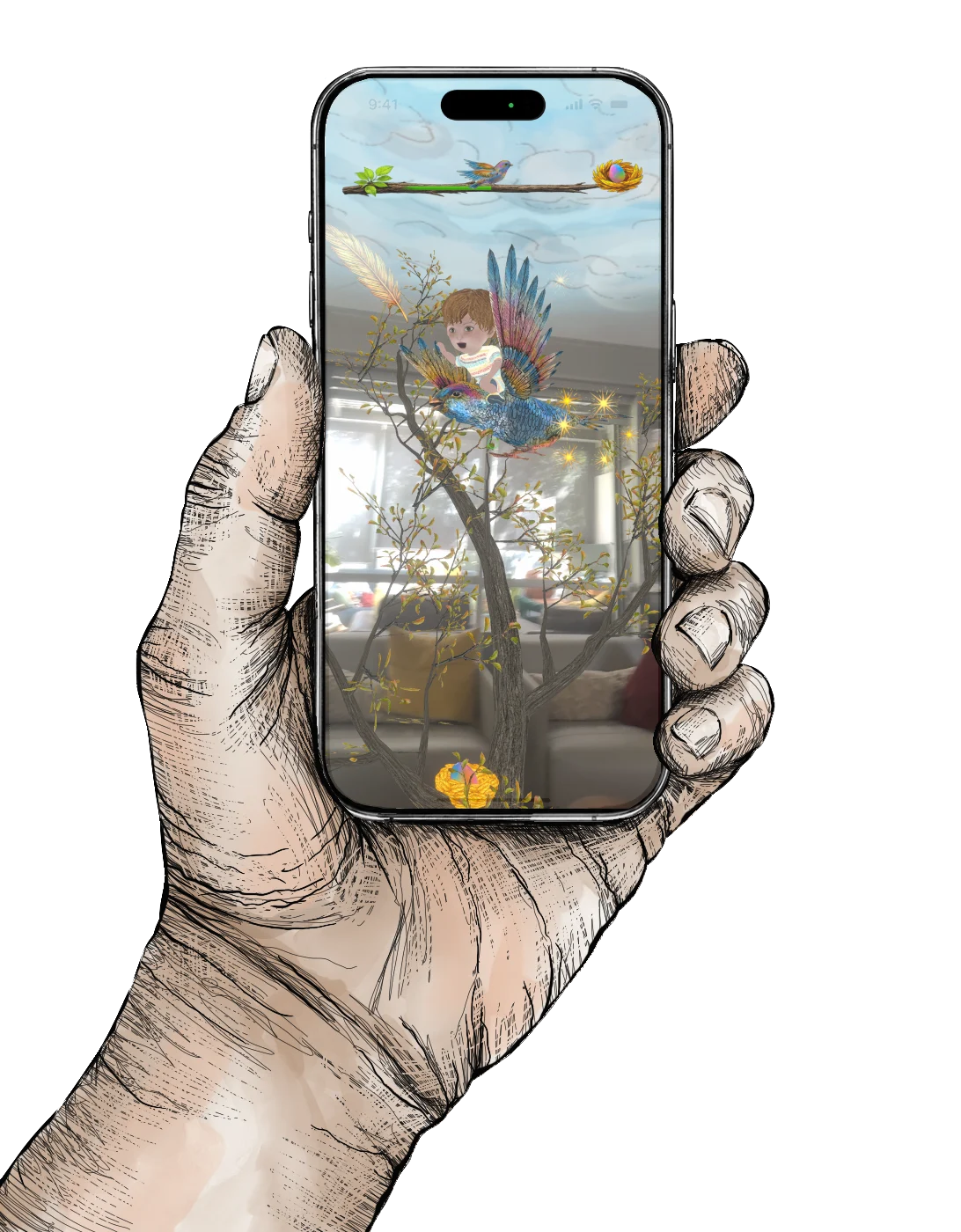
FollowBirdy · follow, move, explore
Rescue the egg. Raise the bird. Watch it fly
Every journey in FollowBirdy tells the same small story, and the player is the one who carries it.
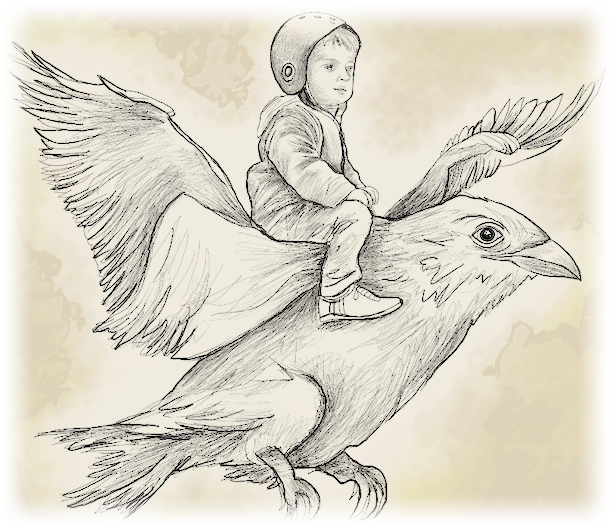
The bird’s egg is lost. The child rides out on the bird’s back to find it and bring it home.
The egg is safe but not hatched. It needs warmth and watching, and every level played is care given.
The hatchling grows a little with every session, and the child stays with it.
One day it is strong enough to climb into the sky on its own.
How it is played
A bird flies through your room carrying a small child on its back. The player keeps it on screen by turning, reaching and walking a few steps. When they drift, the bird calls them back with a soft sound and a small vibration.
Then there is another egg, and the next journey asks a little more. Runs on iPhone and iPad, and on Android phones from the last few years.
No text. No timers. Nobody loses.
What play asks for
Four things the game pays attention to
 Turn, reach, follow
Play asks for turning, reaching and a few steps. It works seated, in a chair or a bed, with arm movement alone.
 Find your bird in the flock
Keeping one bird on screen is the whole task, and the more birds there are around it, the more there is to ignore.
 Keep it in view
Following a moving target with the phone, and placing a block where it belongs, are both steady-hand tasks that get gently harder.
 Every bit of play counts
Time spent actually playing is always credited, so a short session still counts as a good one.
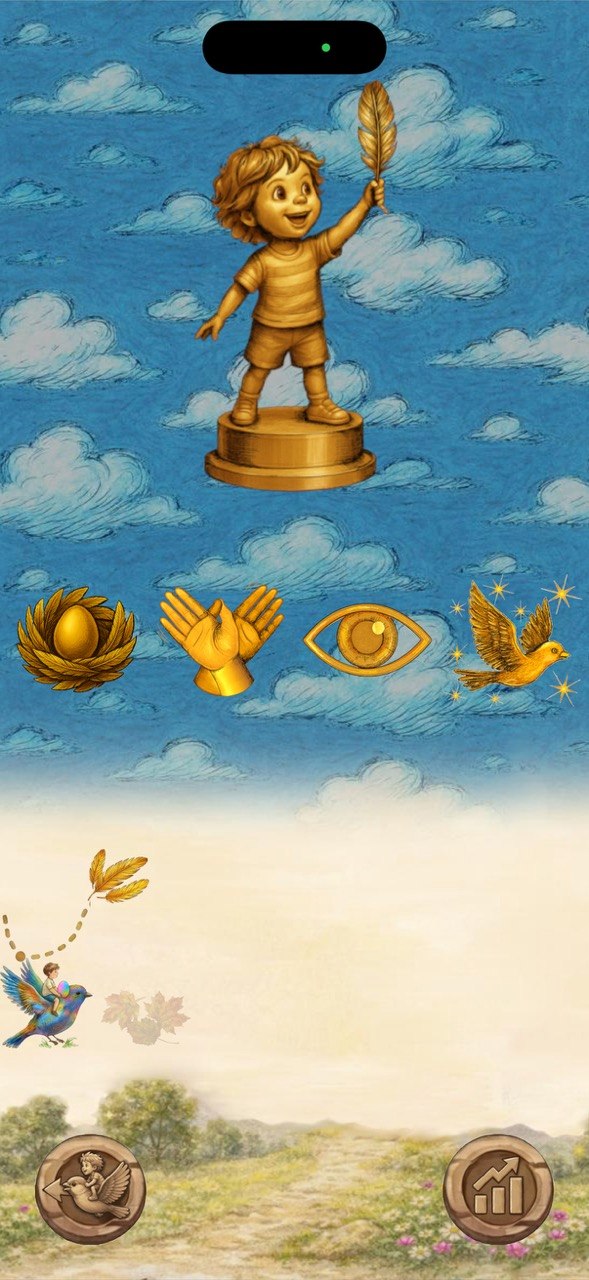
In the game those four are called movement, attention, coordination and stamina. BirdyWatcher, a view inside the FollowBirdy game, is where a family can see them: day by day, week by week and month by month. It is a picture of activity, not a health assessment.
Same game, made personal
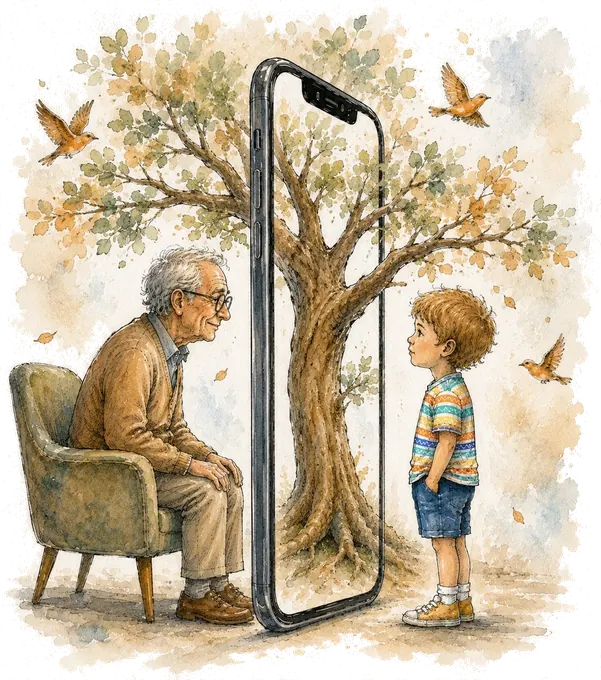
Your parent and your six-year-old each get their own way in
At first the job is simple: keep one bird in view as it crosses the room. From there the game sets its own pace. The bird travels farther and more birds share the sky. There is more of the room to notice too, a season turning, the tree gaining its leaves. On a day when play needs to be gentler, it softens again, and nothing is said about it.
Turn, reach, and keep one bird in view. No control scheme to learn, no instruction to remember.
The game sets pace, distance and how many other birds are in the sky. Nobody is asked to pick a level.
If play is less steady today, the next journey makes room for that. Nobody is told they failed, and every bit of play counts.
Your child and your parent will not play it the same way. That is the reason to give it to both of them.
Safe by design
What a parent asks first
There is no chat and no multiplayer. No stranger can reach the player.
The games are paid. No banners and no rewarded videos. Nothing pops up mid-play.
Session data stays on the device. No account, no upload, nothing to sell.
You buy the game and it is yours. Nothing gates play behind a subscription.
The longer answers
How the on-device data works
The game records how the player moved during a session, keeps it on the device, and uses it to set the right difficulty next time. It is not uploaded anywhere. There is no account to open, no copy of it on a server of ours, and nothing about the player to sell.
What one purchase covers
You buy the game once and it is yours. BirdyWatcher comes with it, showing daily, weekly and monthly progress at no extra cost. Nothing gates play, and you will never need to pay more to finish the game.
Nothing holds a streak over the player
Being away for a week costs nothing. There is no daily demand, no reminder to come back, and no meter anywhere showing how you are doing.
These are games, not medical products
We design for gentle movement, attention and enjoyment. We make no health claims, we do not diagnose anything, and nothing here replaces a doctor, a physiotherapist or a carer.
Connekey · in development
You are helping him. He is helping you
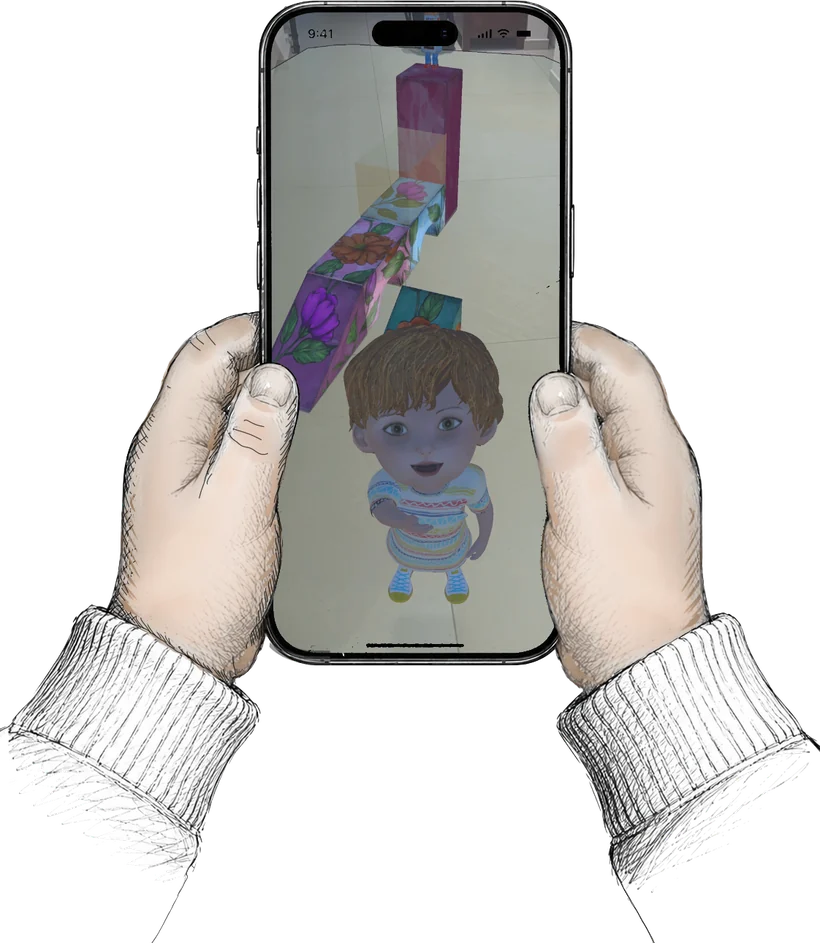
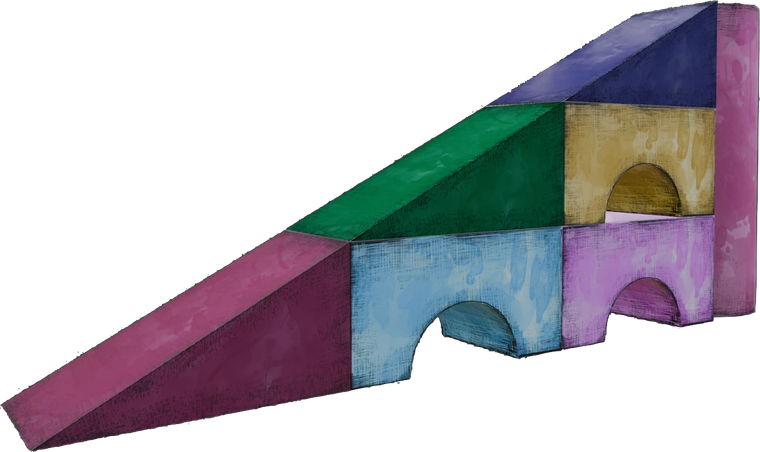
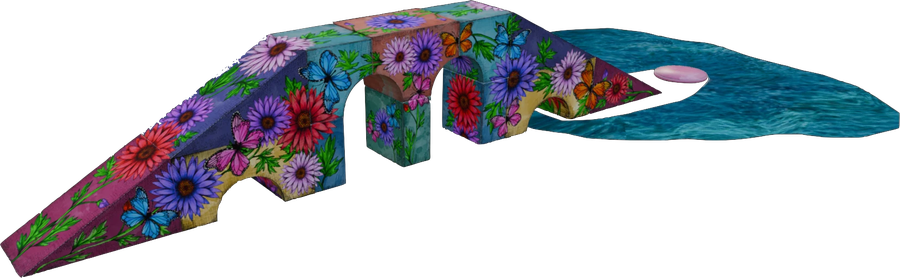
His toy is up where he cannot reach it. Wooden blocks lie around him on your own floor, and you build until he can climb up and get it. When you are stuck, he walks to the piece that comes next and points at it, and holds the point until you act. When he is stuck, you build.
Nobody is in charge. There is no timer, no score and no way to lose, so what you do next is always your own choice. He offers more help when you need it and less when you are managing, so you are never handed a solution you did not ask for. You did the building, and he could not have got there without you.
How the companion works
He watches what you are doing, notices when you move, hears a voice in the room and looks up. Reach a hand into the picture and you can pet him or tickle him, and he comes over and reacts.
He also adapts to how you play. A child who builds quietly and never touches him gets a companion who keeps a respectful distance and works alongside them. A child who pets, waves and calls out gets one that plays back. Both are the right way to play. He remembers who he is playing with, so coming back after a week away means a warmer welcome, and there is no meter anywhere showing how you are doing at being liked.
That structure is deliberate. Choosing freely, feeling yourself get good at something and being noticed all come from one act here, which is helping someone reach the thing he wants.
For an older player it works the same way from the other side. The puzzle is real thinking rather than a quiz, and being needed by someone is not a small thing.
Made with care
It all looks and sounds like one place
We decide together how a game should feel. Hava puts it on the canvas. The bird and the child riding it, the wooden blocks, the small companion, the cherry tree and the four seasons it moves through all pass through her hands and come out in one visual language. She wrote the music too, composed for these games and for the pace they are actually played at, and it changes with the season on screen. In a game with no text, sound is how the player is told what just happened, so it is part of how the game works and not a layer added at the end.
She came to games from textile design and the fashion industry, then took a Master’s in game design at Shenkar.
Her signature is on every piece of it.
That is why the two games feel like the same place, and why neither of them feels assembled.
Where this comes from
It began with our own parents
We wanted a game our parents would actually choose to play. For our Master’s research we ran a pilot with 19 adults aged 65 to 84, to see what kept them engaged. Three things mattered most: a world that felt familiar, room to move at their own pace, and no scoreboard telling them they had failed. Since then we have seen young children want the same three things.

We started the studio to make games for the people a scoreboard turns away, and based our design on that research. We design every part of it together, then build to our different strengths. Yaron came from trading systems, where the work was reading signals and knowing what they mean. The game does the same with a player by reading how they move and adapting the difficulty, keeping play fun.
We build for the two ends of a family because neither should have to become a gamer before a game can belong to them.
That is design grounded in research. It is not evidence that our games improve anything, and we will not say it is until there is evidence.
FAQ
Straight answers
Will the same game suit my parent and my child?
Yes, that is what it was designed for. It is a solo game, made to work at very different ages, and it fits itself to whoever is holding the phone.
Each player wants their own phone, though. Progress is kept on the device and BirdyWatcher graphs it as a single player, so a shared phone would blend two people into one line.
Is this just more screen time?
The player is up and moving, not sitting still with a screen. Nothing here is built to keep them playing: no ads, no streaks, and nothing that carries on by itself.
Is it safe to move around while playing?
Clear the space before you start. Move anything on the floor out of the way and keep cords and pets clear. Play in good light. It can also be played seated, in a chair or a bed, with arm movement alone.
Stop if the player feels tired, dizzy or unwell. Stop if the movement starts to feel like hard work, and stay nearby when a young child is playing.
Who is the character my child is playing with?
Nobody real. It is a character in the game, running on the phone, not connected to any person or any service. It reacts to movement and to the sound of a voice in the room, and it records neither.
My child is quiet and does not like being pushed. Will the character bother them?
No. The character stays quiet too. It picks up how a player likes to engage and matches it, so a child who just wants to build gets a companion who builds next to them instead of one demanding attention.
Does anything leave the phone?
No. Session data stays on the device and is used to set difficulty. There is no account, no social feed, no upload, and nothing about the player is sold.
Can they get stuck or lose?
No. There is no losing screen. If a level goes badly the game quietly makes the next one easier, and taking part is always credited.
My father struggles with a touchscreen. Will he manage?
There is almost nothing to tap. The player holds the phone and moves. There is no text to read and no menu to learn, so the usual barriers are not there.
Do they need a big room?
No. It works in an ordinary living room.
What does it cost?
One purchase, with a free trial first. No subscription ever gates play. Final prices go on the App Store listing at launch.
Which devices, and when?
FollowBirdy comes first, on iPhone and iPad, and on Android phones from the last few years running Android 14 or later. Connekey follows, on iPhone and iPad. Neither is in a store yet. Leave your email and we will write once, on the day it is.
Why augmented reality?
Because the player does not have to learn a world, they are standing in it. The furniture is theirs and the distances are ones they already know, so looking for something above the sofa is the same act at seven as it is at eighty. The input is the body rather than a control scheme, so there is nothing to memorise, and it is a gentle bit of exercise that nobody has to be told to do.
Is this therapy?
No. It is a game designed to be playable by people who find most games unplayable. We make no medical or therapeutic claims.
What research is behind it?
Our own pilot study with adults aged 65 to 84, and a good deal of published work underneath it. The design leans on Self-Determination Theory, on research into serious games for older adults, and on long-standing work about keeping difficulty at the edge of what a player can already do. The paper was peer reviewed and accepted at EGen2023. The preprint is free to read at doi.org/10.31234/osf.io/g53fu_v1.
Follow Birdy home
One email, on launch day. That is it, and we do not pass addresses on.
Still two people in a small studio, and we answer our own email.